Resources
Strategy guides, brain science & notes. Everything we know.
Guides
All guides →- guide
How to Beat the Daily Puzzle: A Practical Routine
A repeatable routine for scoring higher on any daily puzzle: warm up, bank the easy level, protect accuracy and use the archive deliberately.
Mara Whitfield · 7 min read
- guide
Working Memory Drills That Actually Work
Four drills that raise your working-memory percentile on GetPlayJoy, and why naming what you see beats staring at it.
Dr. Owen Brackley · 6 min read
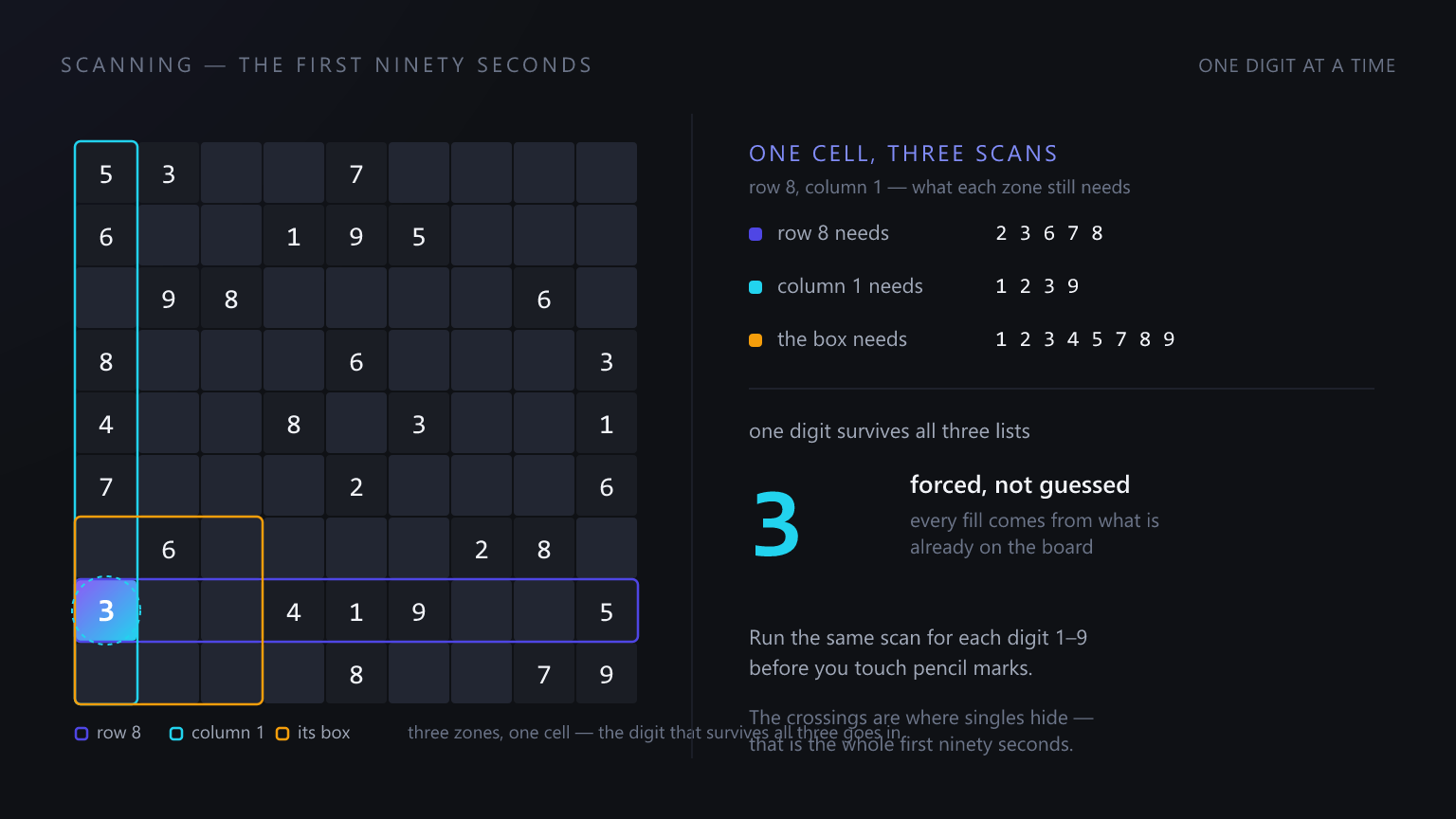
Sudoku Techniques for Beginners: From Scanning to Naked Pairs
The four Sudoku techniques that take you from guessing to solving: scanning, pencil marks, naked pairs and pointing pairs.
Mara Whitfield · 8 min read
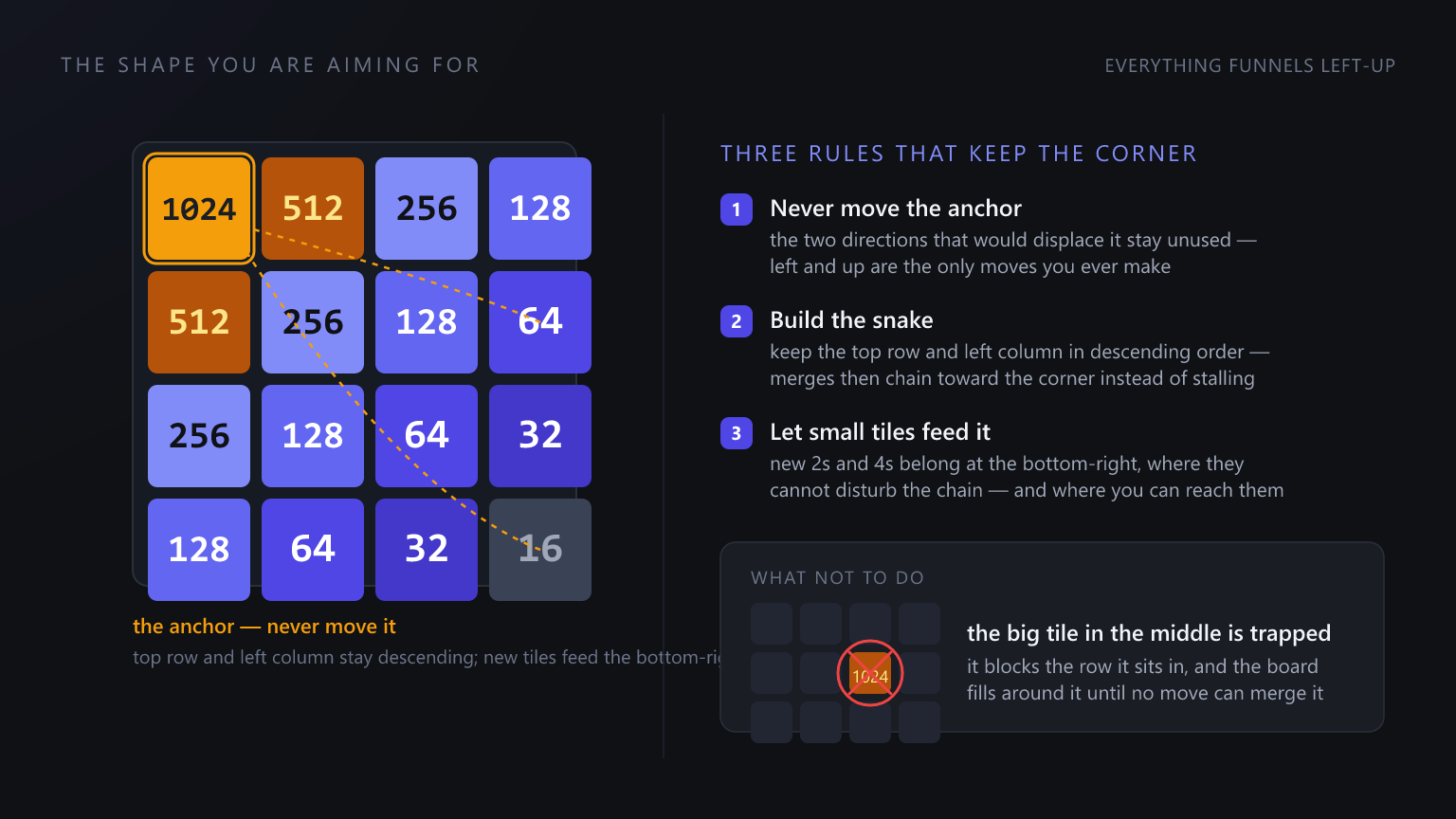
2048 Strategy: Why You Should Always Keep a Corner
The one habit that takes 2048 from luck to routine: build a wall, keep one corner frozen, and merge inward.
Mara Whitfield · 6 min read
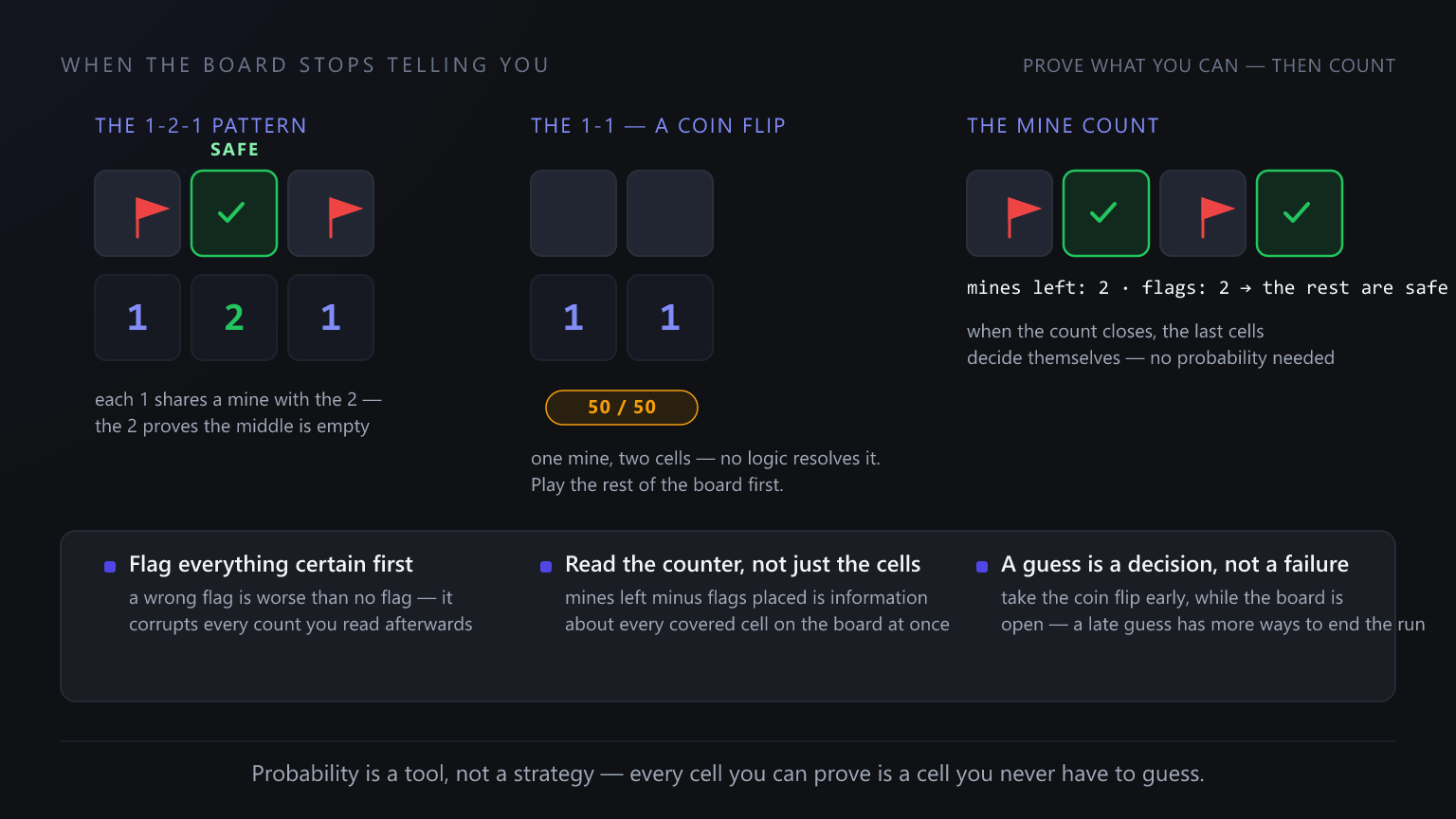
Minesweeper Tips: Using Probability to Avoid Guessing
How to read a Minesweeper board like a constraint problem, and when a "guess" is actually the higher-percentage play.
Mara Whitfield · 7 min read
- guide
Nonogram for Beginners: Reading the Clues Step by Step
How to turn a row of numbers into filled squares, starting with the clues that leave no choice at all.
Mara Whitfield · 7 min read
Brain science
All science →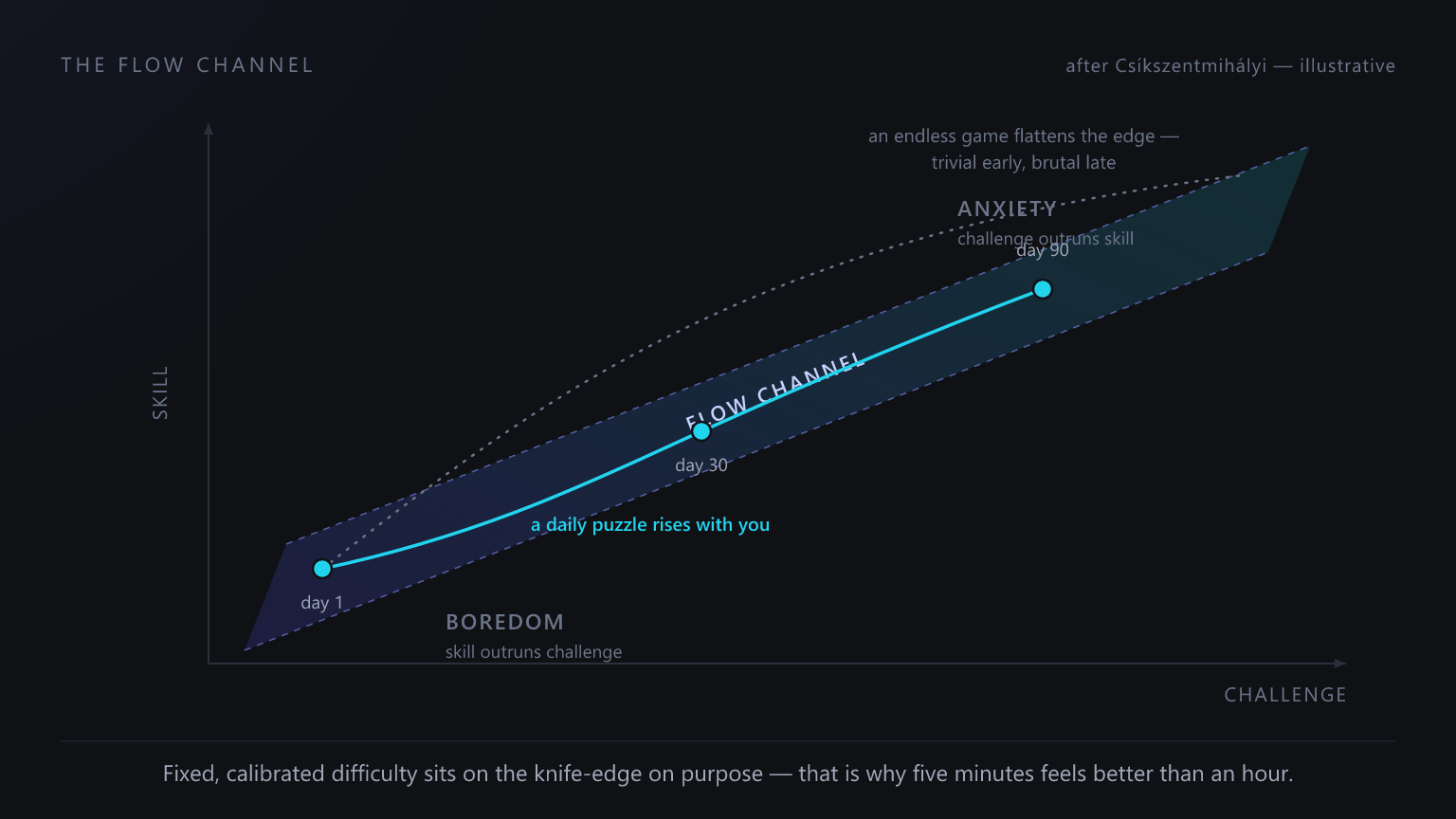
Flow State and Puzzle Games: Why Five Minutes a Day Feels Good
The psychology of "flow" explains why a short daily puzzle is more satisfying than an endless session. A look at the research.
Dr. Owen Brackley · 8 min read
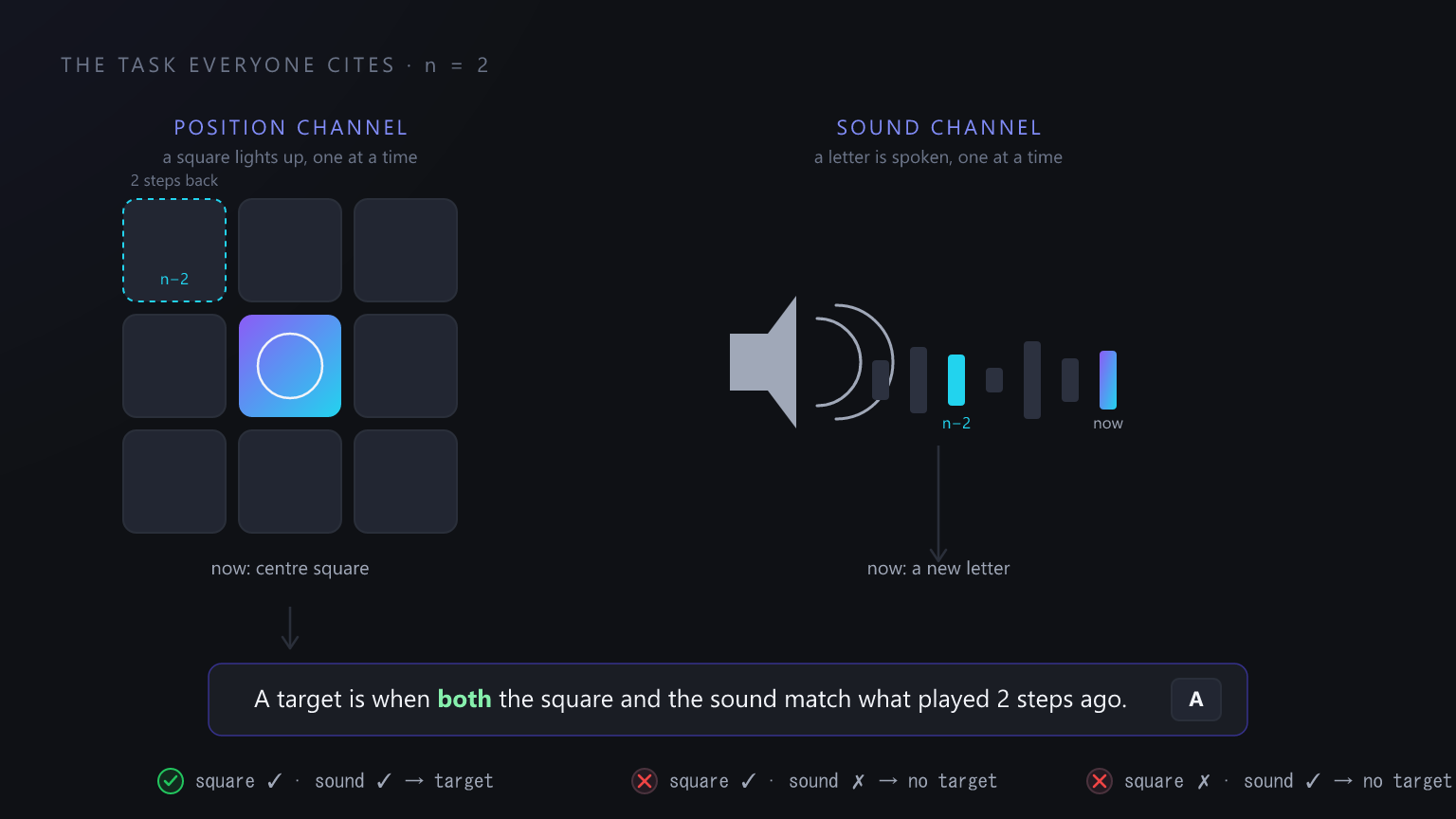
What Dual N-Back Research Actually Says About Working Memory
The famous working-memory study, what it did and did not prove, and what a daily puzzle player should take from it.
Dr. Owen Brackley · 9 min read
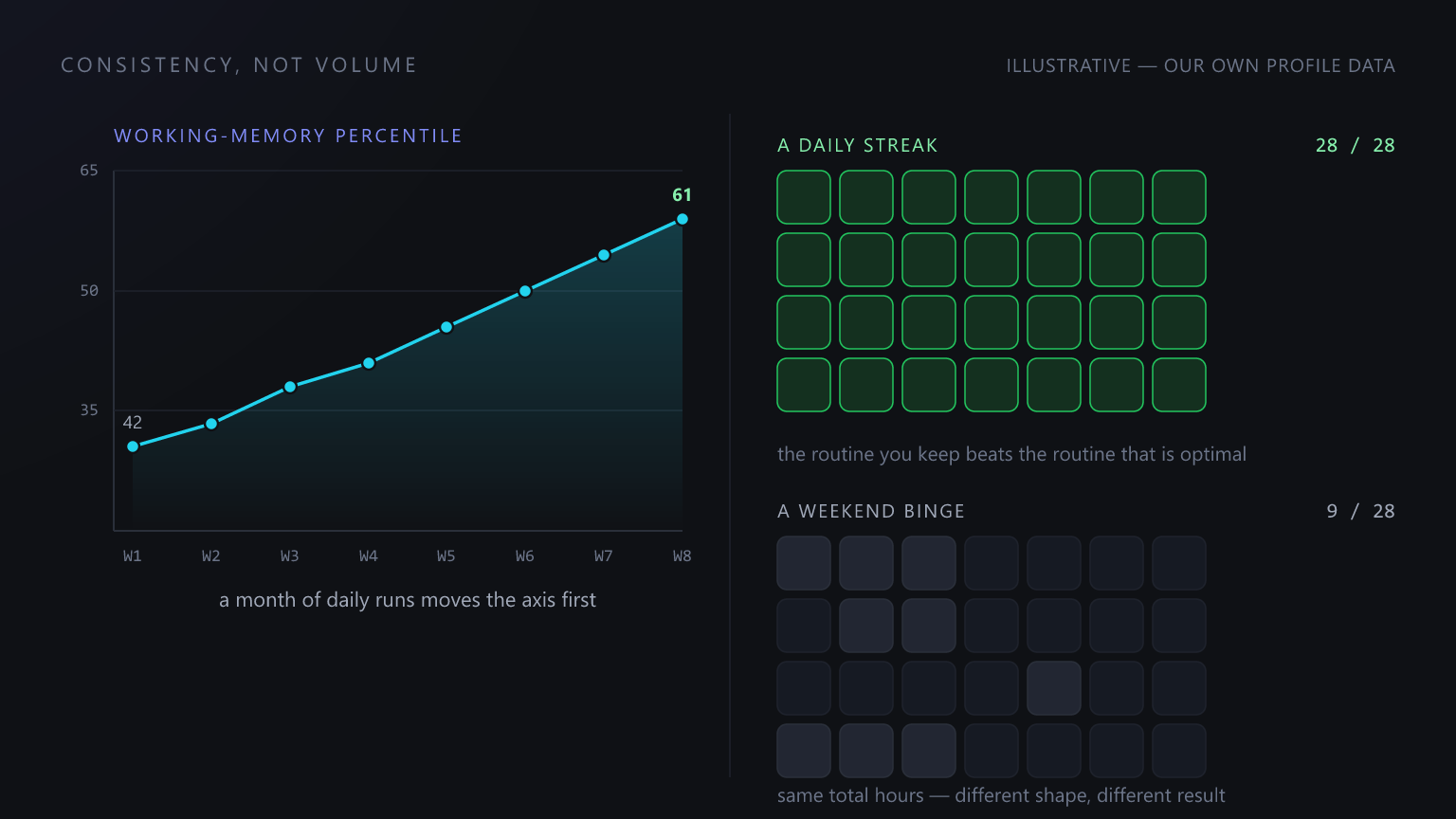
What Solving a Puzzle Every Day Does to Your Working Memory
A short, evidence-based look at why a daily puzzle habit shows up in the working-memory axis of your ability radar — and what the research actually supports.
Dr. Owen Brackley · 6 min read
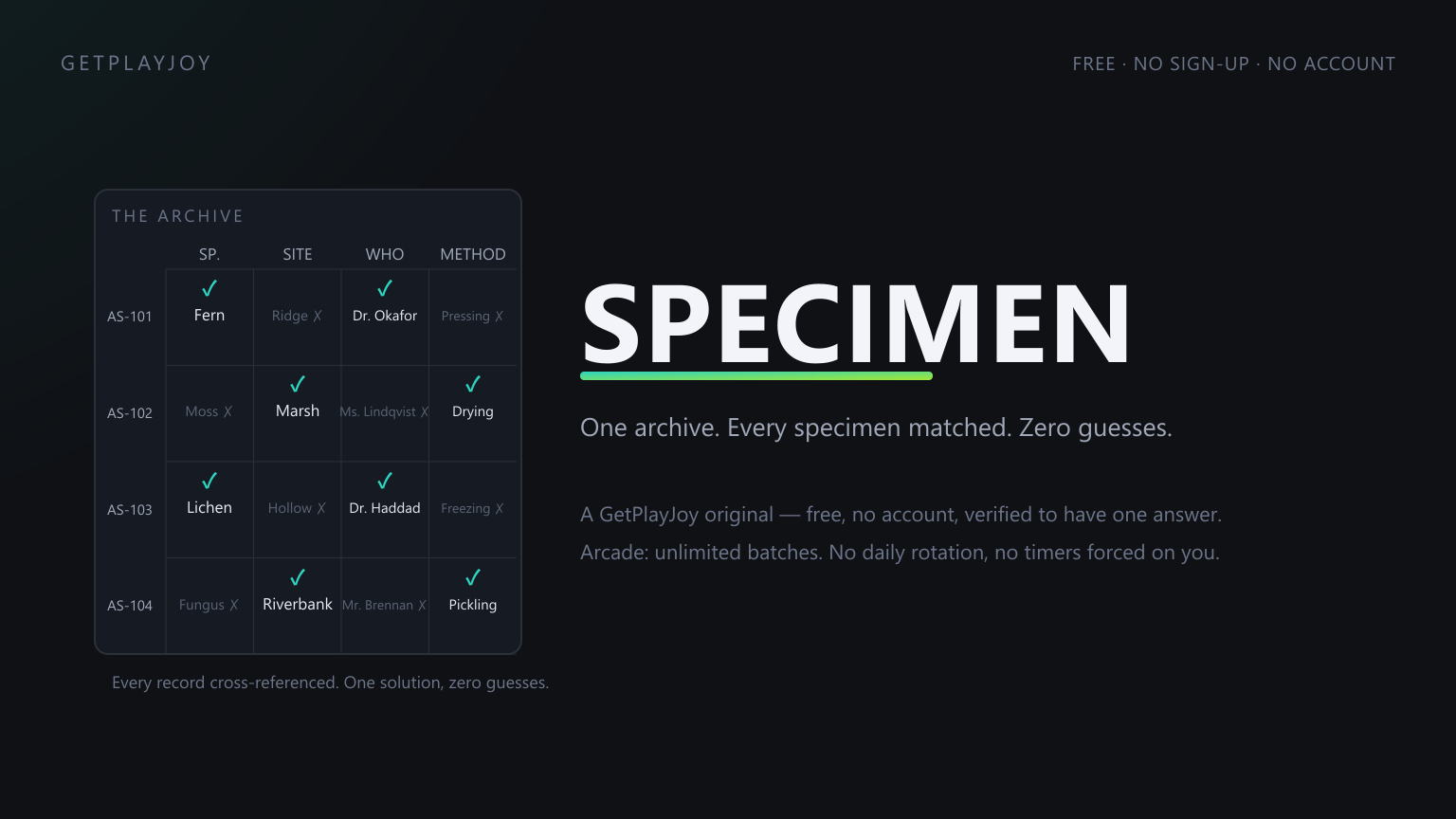
Deductive Reasoning, Explained: What a Logic Grid Actually Trains
The honest answer is that a logic grid trains one specific reasoning skill, not your intelligence. It is free to play on GetPlayJoy with no sign-up and no account, so you can test that claim in a few minutes. This piece defines deduction, maps a grid onto formal constraint solving, and states plainly what the practice changes and what it does not.
Dr. Owen Brackley · 13 min read
Does Brain-Training Transfer? What the Research Says in 2026
Near transfer works; far transfer is weak or absent. Specimen is free to play on GetPlayJoy with no account and no sign-up, so you can test the narrow-skill claim yourself. This article walks the four studies that set the boundary between practising a task and improving your mind broadly.
Dr. Owen Brackley · 13 min read
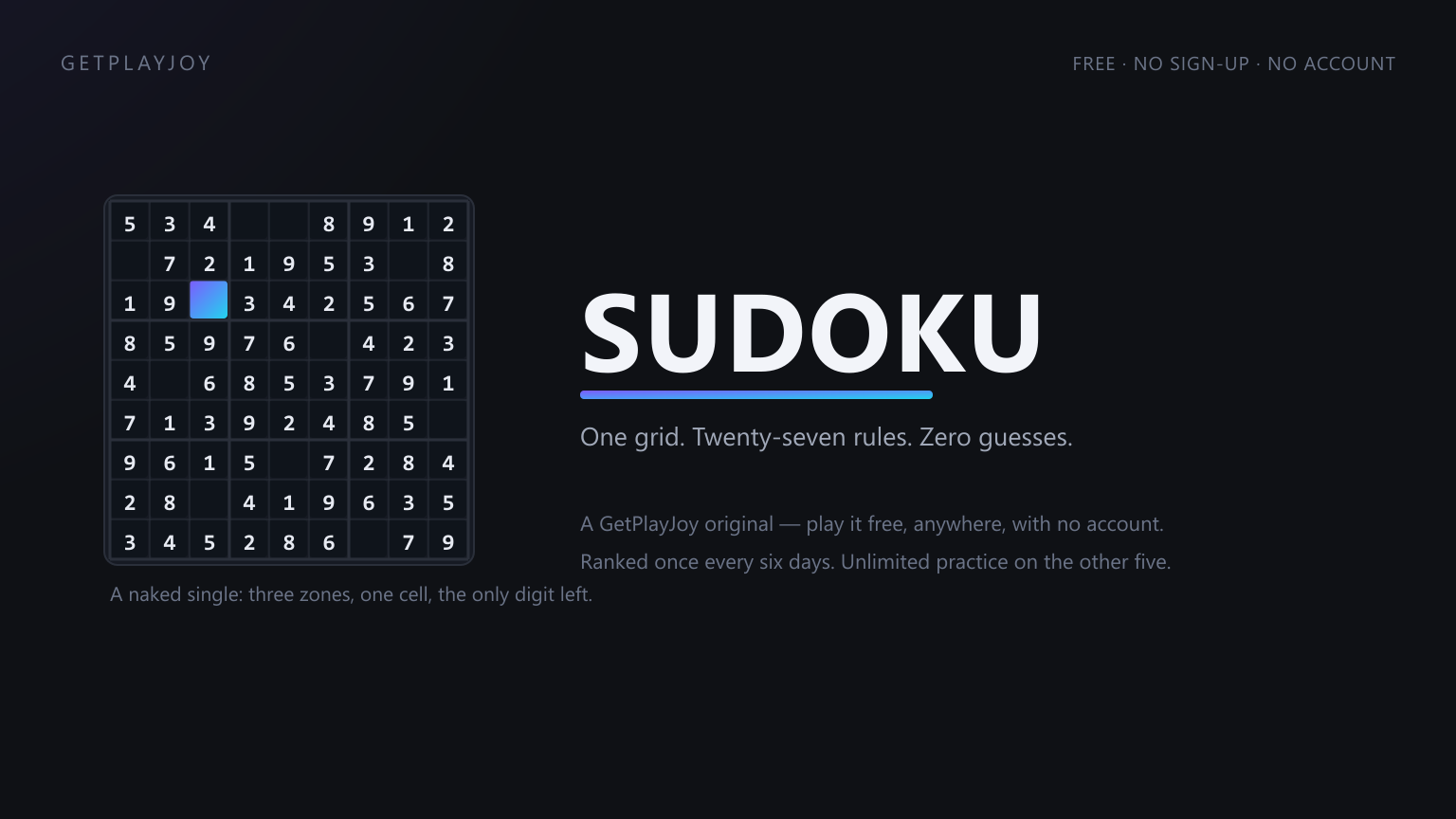
Does Sudoku Train Your Brain? What the Research Actually Says in 2026
The honest answer is: partly. Sudoku builds specific mental habits — chiefly working memory and logical deduction — and the lab evidence says those gains stay close to the task. It is real exercise, not a cure, and the large studies are unusually clear about the limit.
Dr. Owen Brackley · 10 min read
Essays & explainers
All essays →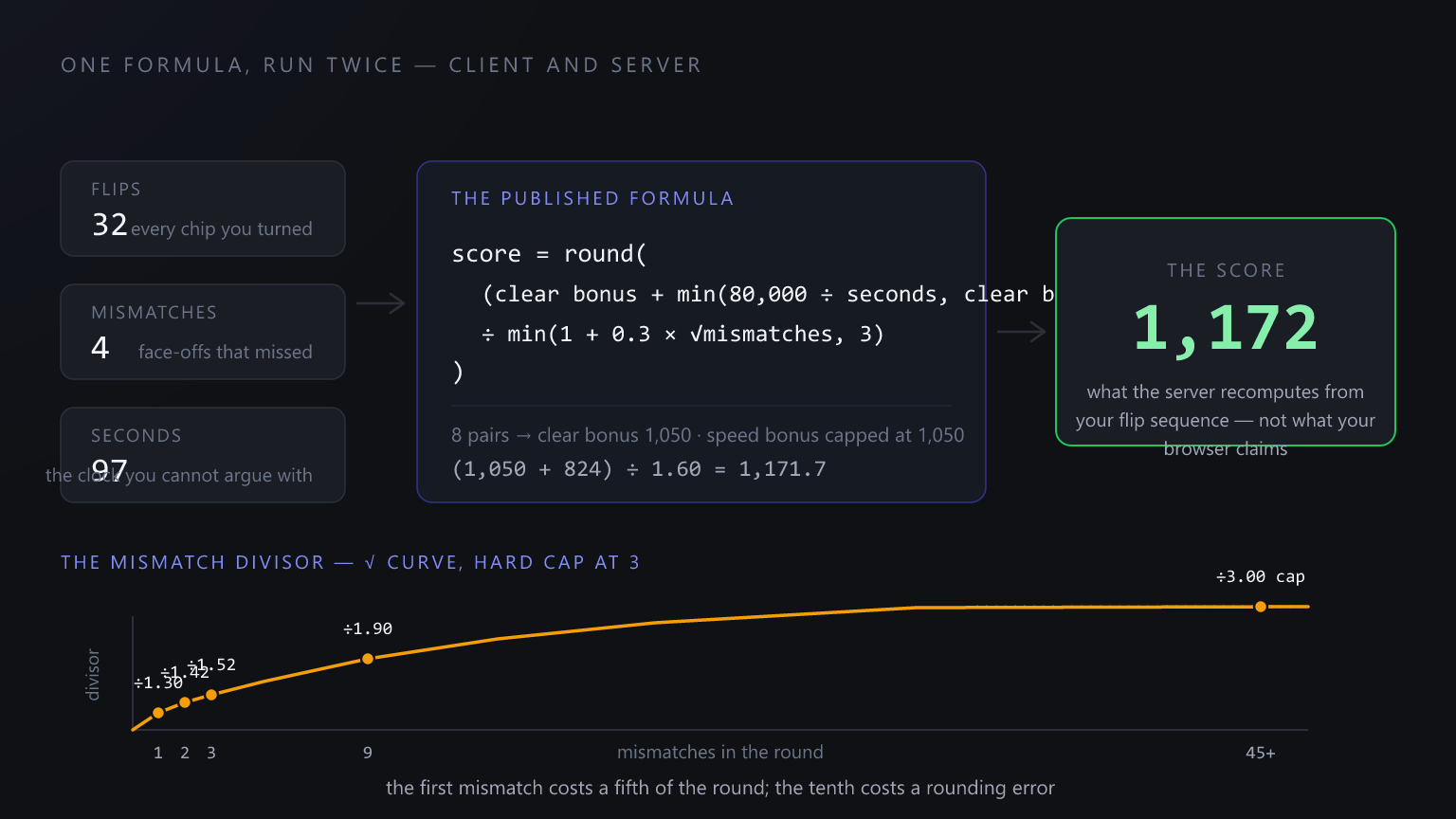
How We Score Everything (And Why Cheating Is Boring)
The full scoring model behind GetPlayJoy: difficulty constants, time decay, mistake penalties, server-side replay verification and percentile ranking.
The GetPlayJoy team · 9 min read
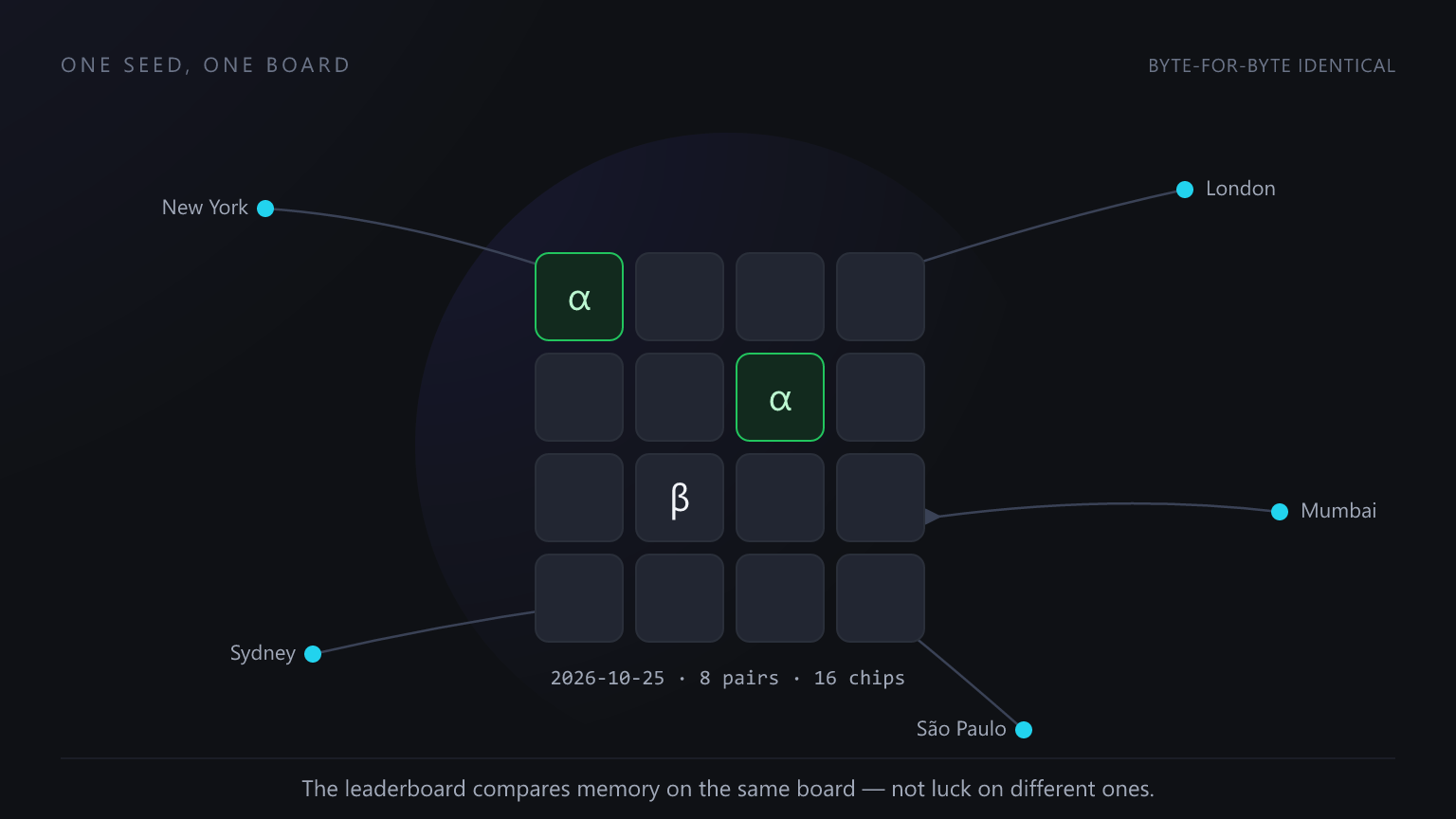
The Shared Daily Puzzle: Why Everyone Gets the Same Board (2026)
One puzzle for the whole planet, generated from the date. Here is why that single design choice carries the whole product.
The GetPlayJoy team · 6 min read
- story
Two Players, One Leaderboard: How a Shared Board Ranks the World
How GetPlayJoy is built and run by a small team: what we automated, what we deliberately did not, and what we learned shipping daily.
The GetPlayJoy team · 7 min read
- story
Daily vs NYT Games: Which Daily Puzzle Platform Wins in 2026?
A side-by-side of a no-signup daily puzzle site and the big subscription puzzle apps, and who each one is actually for.
Mara Whitfield · 8 min read
- story
Why "No Sign-Up" Is the Best Growth Trick in 2026
The unglamorous reason some puzzle sites grow faster than funded competitors: they never ask for an account.
The GetPlayJoy team · 6 min read
- story
Sudoku vs Nonogram: Which Trains Logical Reasoning Better?
Both are deduction games, but they exercise different muscles. We compared the data from our own players to see which one actually moves the logic axis.
Dr. Owen Brackley · 7 min read